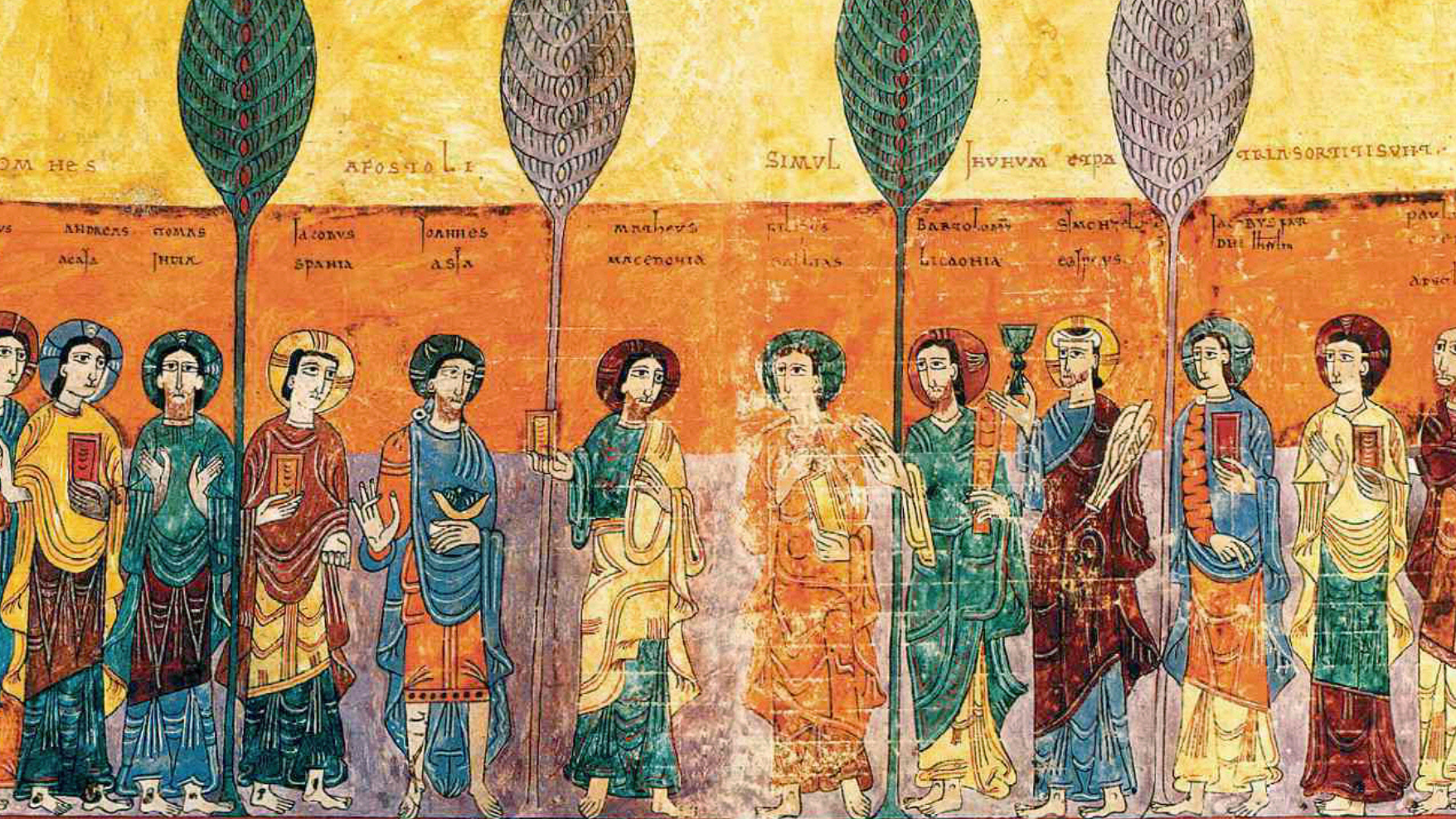
The Sanhedrin knew Peter and John had performed a noteworthy miracle (Acts 4), but they didn’t want that truth to get out. They tried to intimidate the apostles into silence.
The church always faces enemies who want to suppress the truth.
In today’s world of censorship, intimidation, threats, spin and speech police, the church is still a free-speech movement, characterized by bold, open speech (Greek, parrhesia). Some of you will face Sanhedrins of your own and be called to speak the truth, to witness.
How do you get prepared? How do we learn to speak with apostolic boldness? When Peter and John return to the other disciples, they pray for parrhesia. Ask for boldness.
Specifically, they pray Psalm 2; the Sanhedrin is among the nations raging against the Lord’s anointed. Learn the Psalms and pray them.
After they pray, the believers speak boldly among themselves. Practice frank speech in everyday life – in your family, at work, at church. Don’t hedge. Be truth-tellers to one another. Every day, you have opportunities to speak difficult truth. Discipline yourself to do it.
Remember the rest of Psalm 2. Yahweh scoffs at the puny protests of the raging nations. Remember the laughing God, and learn to laugh with Him at the world’s rebels.
The Sanhedrin accounts for the apostles’ boldness by remembering they have been with Jesus. Jesus’ courage is contagious, so stay close to Him and walk in step with His Spirit.
Above all, stick close to Jesus and trust His promise: “When you’re brought before synagogues, rulers, and authorities, don’t worry about how you will defend yourselves or what you will say; for the Holy Spirit will teach you at that time what you should say” (Luke 12).
When the apostles pray and speak, the Lord shakes the ground. To speak boldly, we need to be a community of prayer, immersed in the Psalms, with utter confidence in the laughing God of heaven. Speak with parrhesia, and wait for the earthquake to start.
Blessings,
Pastor Leithart
 Immanuel Reformed Church
Leave a comment