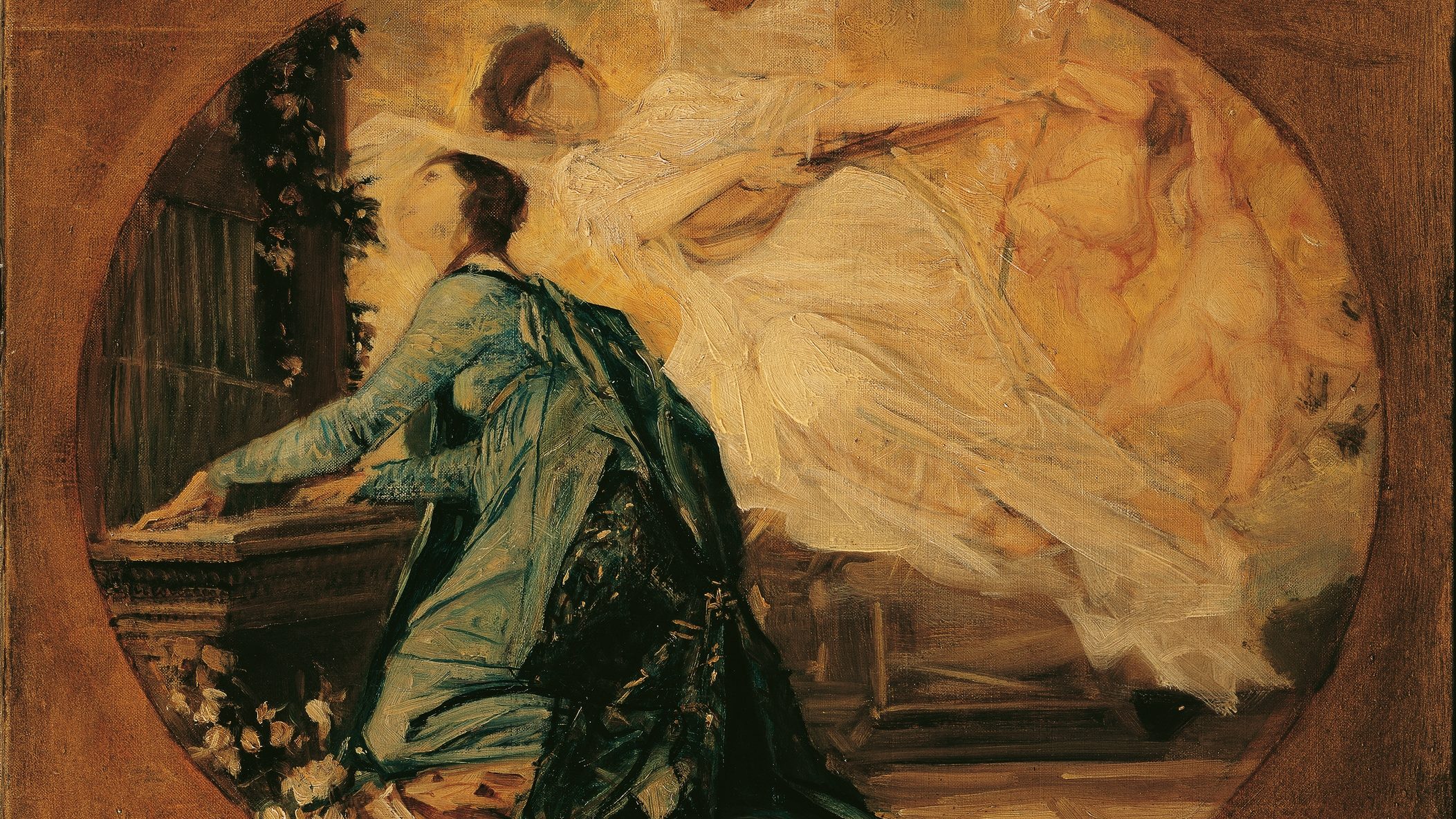
Music’s power is uncanny. Sound slips past our ears and takes root in the depths of our souls.
How does it do that? Where does this power come from?
I’m sure there are physiological reasons, having to do with frequencies and vibrations and the attunement between our biological rhythms and the movements of music.
But there are also biblical and theological reasons. Music grips us because it touches on the beginning and end of all things.
The world began in song. “Where were you,” Yahweh asks Job, “when I laid the foundations of the earth?” Was Job there “when the morning stars sang together, and all the sons of God shouted for joy”? (Job 38:4, 7).
And the end is music. One day, Psalm 148 will become fact: Angels, sun, moon, sea monsters, fire and hail and wind, mountains, trees, beasts, creeping things and all people will praise the name of the Lord.
In a chaotic world, beautiful music reveals the way the world ought to be: In constant motion, yet ordered; each unique note suited to every other note; every tension resolved. It’s the way the world ought to be, and will be. Music is a hint of the harmony to come.
All this is doubly true of liturgical song. Every Sunday, we sing the creation song of the sons of God. And we sing the future of all things to anticipate the day when “everything that has breath” will praise the Lord (Psa 150:6).
Blessings,
Pastor Leithart
 Immanuel Reformed Church
Leave a comment